Winter in Lincolnton is not Minnesota winter. There is no month of deep snow and no need for a second set of snow tires for most drivers. What the Piedmont does get is worse in one specific way: a few ice storms, sudden cold snaps, and mornings where a car that was fine in October will not start at all.
Neglect shows up fast in that pattern. A weak battery survives warm weather and dies on the first cold morning. Low tire pressure becomes very low tire pressure overnight. Old wiper blades that streaked a little in the rain smear freezing mist across the whole windshield. This is a short list on purpose. Do these few things and winter loses most of its leverage.
The numbers that explain winter failures
Four figures explain almost every cold-weather breakdown call. Keep them in mind and the rest of this guide reads like common sense.
That battery figure surprises people. Heat, not cold, does most of the damage to a battery over its life. North Carolina summers cook batteries slowly. Cold weather just reveals the loss, because a cold engine needs more cranking power at the exact moment the battery can deliver less.
Batteries: test before the cold snap, not during it
A battery test takes minutes and tells you capacity, not just voltage. A battery can show a decent voltage reading at rest and still collapse under load. If yours is four years old, cranks slowly on cool mornings, or needed a jump at any point in the fall, test it in late fall rather than gambling on January.
Corrosion matters too. White or green crust on the terminals adds resistance, and resistance is what a starter motor cannot afford on a cold morning. Clean, tight connections and a proper load test are the whole job. Skipping them does not save anything. It just moves the failure to a dark parking lot during an ice storm, when every shop in town is backed up.
Tires: pressure first, tread second, both matter on ice
Check pressure when the tires are cold, meaning the car has sat for a few hours. Use the pressure listed on the driver door jamb sticker, not the number molded on the tire sidewall. That sidewall number is a maximum, not a target.
Underinflated tires flex more, run hotter in summer, and grip worse in winter. On ice and slush they also hydroplane sooner because the tread cannot channel water out. Tread depth matters for the same reason. A tire that was marginal in October rain will be genuinely poor on a January slush morning. The cost of ignoring pressure is paid in uneven wear all year, then all at once on the one icy morning you really needed grip.
Wipers, washer fluid, and seeing the road
Replace blades when they chatter, streak, or leave unwiped bands, not when the inspection is due. Keep the washer reservoir full with winter-rated fluid, not plain water, which can freeze in the lines and the pump. On an ice morning, lift blades free gently or let the defroster release them. Ripping frozen blades off the glass tears the rubber edge and can strain the wiper motor.
Scrape the whole windshield, not a porthole. Also clear the roof. Sheet ice sliding off a roof at speed is a hazard for the driver behind you and, when it slides forward under braking, for you.
Fluids and the ice-storm parking plan
Coolant protects against freezing as well as boiling, but only at the right mix and only if the level is right. A system topped off with plain water in summer can be too weak by winter. Engine oil also thickens in cold starts, which is one more reason to stay on the interval your manual specifies rather than stretching it through winter.
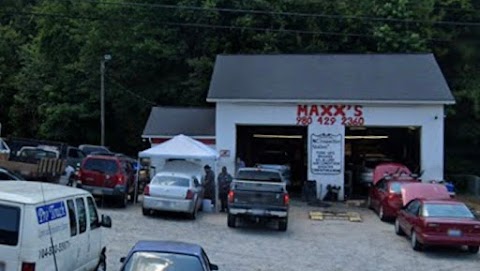
For the storm itself, park away from large limbs if you can, keep the fuel tank at least half full, and leave a scraper, gloves, and a phone charger in the car. If Maxxs handles your state inspections and general repair in Lincolnton, late fall is the calm time to ask for a winter look. The week of the ice storm is not.
Common questions
Do I need snow tires in Lincolnton?
For most drivers, no. Good all-season tires with healthy tread and correct pressure handle the Piedmont pattern of rare snow and occasional ice better than worn tires of any type.
Why did my tire pressure light come on after a cold night?
Cold air contracts, so pressure falls as temperature falls. Check all four tires cold, fill to the door jamb figure, and have any tire that keeps losing air inspected for a leak.
Should I warm the car up for a long time before driving?
No. Thirty seconds to a minute, then drive gently. The engine and the rest of the drivetrain warm faster under light load than idling in the driveway.
← All guides from Maxxs← Back to Maxxs