Two shops in Lincolnton look at the same noisy front end and hand you two different totals, and your first thought is that one of them is trying to get over on you. Sometimes that happens in any trade. More often, both estimates are honest and the difference is hiding in three places most customers never see: the grade of the parts, the labor guide behind the hours, and how deep each shop dug before writing the number.
If you have never compared repair estimates line by line, this walkthrough goes in order, from the phone call to the final signature, so you can see where honest numbers split apart.
Step by step: how an estimate gets built
- The symptom gets written down. A good estimate starts with what you reported: noise over bumps, a pull to one side, a leak on the driveway. Vague input produces vague estimates, so describe when the problem happens and when it does not.
- A technician inspects or diagnoses. One shop may road-test, lift the car, and test components. Another may quote from the symptom alone to give you a fast ballpark. The second number looks cheaper until the car is apart.
- Parts get chosen by grade. Original equipment parts, quality aftermarket parts, and budget parts can all fit the same car at very different costs and lifespans. Ask which grade each estimate uses.
- Labor time comes from a guide. Shops use published labor guides that assign a standard time to each job. One guide, one edition, and whether the job is quoted with or without related steps can shift the hours.
- Related work gets included, or not. A strut job quoted with new mounts and an alignment will total more than struts alone. The cheaper quote may simply have left those lines for later.
- Shop supplies, fluids, and fees get handled differently. Some shops fold them in, some list them separately. Compare the out-the-door total, not the biggest line.
- You approve before the work expands. If teardown reveals more, a careful shop stops and calls with a revised total. That call is a sign of process, not a trick.
Parts grades: the biggest honest gap
Take a common alternator or water pump. The original equipment version is built to the carmaker specification and priced like it. A reputable aftermarket brand may match that standard closely for less. A budget part may work, but with thinner bearings, looser tolerances, or a shorter expected life.
Neither choice is automatically wrong. On a car you plan to keep for years, paying for the better part once usually beats paying labor twice. On a car with high miles that you plan to sell soon, a mid-grade part can be the sensible call. The problem is not the grade. The problem is an estimate that never names it, so you compare totals without knowing you are comparing different parts.
Book time: why the hours differ
Labor guides exist so two shops start from the same facts. In practice, one shop may quote the guide time for the part alone while another adds the standard time for draining, bleeding, aligning, or reprogramming that the job actually requires on your model. Rust, seized fasteners, and engine layout all change real time too, and a shop that has seen your exact model fail before may quote the fuller version because they know what is coming.
Ask a simple question: what does this time include? The answer tells you more than haggling over the hourly figure ever will.
Diagnostic depth: the number behind the number
A free visual look and a full diagnostic are not the same product. Testing a charging system properly, scanning for stored codes, and confirming a part has failed before replacing it takes time and equipment. A shop that skips that step can quote lower, then replace parts until the symptom stops. A shop that tests first may cost more up front and less overall.
This is especially true for intermittent problems around Lincolnton driving: a no-start that only happens hot, a warning light that comes and goes. The honest estimate for those jobs includes the hunt, because the hunt is the work.

How to compare two estimates fairly
Lay them side by side and match the lines. Same part grade? Same included steps? Same alignment, fluids, and related hardware? If a line is missing on one, ask whether it is needed or included elsewhere. Then ask what each shop will do if the fix does not cure the symptom. A clear answer there is worth more than a small gap in the total.
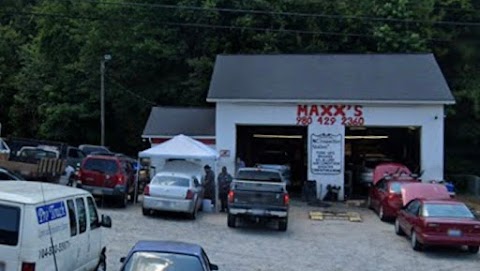
Shops like Maxxs in Lincolnton do this work daily across brakes, transmissions, and engine repair. A shop that welcomes line-by-line questions is showing you how it works. That openness is data, just like the total is.
Common questions
Should I always take the lower estimate?
No. Take the estimate that matches on part grade and included work and still totals lower. A cheaper quote that omits required steps will grow during the job.
Can I ask a shop to match another estimate?
You can ask, but a better question is what differs between them. Sometimes the gap is a part grade you are happy to change, and sometimes it is work you actually need.
Why did my final bill differ from the estimate?
Small differences happen with fluids and hardware, but a large change should have been approved by you first. Ask for the revised approval before the extra work is done.
Photos in this guide are representative stock images.
← All guides from Maxxs← Back to Maxxs