The temperature gauge climbing past normal on a hot Lincolnton afternoon is not a puzzle to solve while you keep driving. Heat is the one problem that gets worse by the minute. What you do in the first two minutes decides whether you need a repair or an engine.
Summer in the Piedmont is the danger season, with heat, humidity, and traffic that keeps air from moving through the radiator at low speed. But overheating can happen in any month when a hose, a thermostat, a water pump, or a cooling fan gives up. The in-the-moment rules stay the same all year.
First: get off the road and shut it down
Turn off the air conditioning right away to take load off the engine, and turn the cabin heat to full hot. That sounds miserable, and it is, but the heater core pulls heat out of the coolant and can buy you a little margin while you find a safe place to stop.
Pull fully off the pavement, set the parking brake, and turn the engine off. Steam from under the hood, a sweet smell, or a gauge in the red all mean the same thing: stop now, not at the next exit. Every extra minute of running hot risks warping parts that were fine when the gauge first moved.
Once stopped, do not restart the engine just to see if it cooled down. Let it sit. Heat soak after shutdown can push temperatures higher for a short while before they fall, so patience is part of the repair.
What never to do
Never open the radiator cap or the pressurized coolant reservoir cap while the engine is hot. The system is sealed for a reason. Hot coolant is under pressure, and releasing that pressure can spray scalding fluid instantly. Wait until the engine is fully cool to the touch before anyone opens anything. Fully cool means an hour or more in summer heat, not ten minutes.
Never pour cold water into a hot, empty radiator. The sudden temperature change can crack hot metal. Never drive with the temperature light on because home is close. Close is still far enough to do serious damage. And never remove the thermostat on the roadside and call it fixed. That trick belongs to old stories, not modern engines with computer controls.
The seasonal checklist that prevents most of it
Most overheating calls were preventable a month earlier. Before the hottest weeks settle in, work through this short list. None of it takes special tools beyond a flashlight and a rag.
Before summer heat: cooling system checklist
- Check coolant level in the reservoir when the engine is cold. Pass: between the marks. Fail: low, empty, or needing a top-off every week.
- Look at coolant color. Pass: the color the maker specifies, clean and translucent. Fail: rusty, muddy, oily, or full of flakes.
- Squeeze the main hoses when cold. Pass: firm and springy. Fail: crunchy, mushy, swollen, or wet at the clamps.
- Inspect the radiator and condenser fins. Pass: mostly clear. Fail: packed with pollen, seeds, and road debris blocking airflow.
- Watch both cooling fans run with the air conditioning on. Fail: a fan that never starts or spins weakly.
- Check the drive belt for cracks and glazing. Fail: fraying, squealing, or visible wear, since the belt often drives the water pump.
- Note any sweet smell or white residue near hoses and the pump. Fail: dried coolant trails, which mark a slow leak.
Lincolnton drivers know pollen season well. That yellow film coats everything in spring, and radiator fins are no exception. A gentle rinse from the engine side outward can restore airflow, but keep pressure low. High-pressure water bends the thin fins flat and makes cooling worse.
What the tow is saving you from
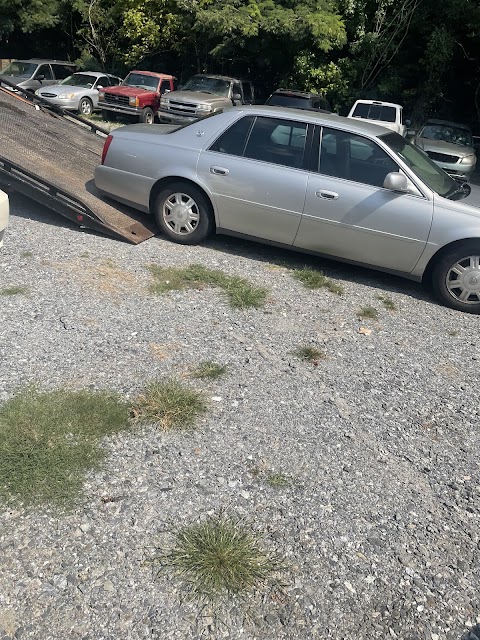
Drivers hesitate to pay for a tow when the car still moves. Think about what moving risks. An aluminum cylinder head can warp when it overheats, turning a hose or thermostat job into head gasket work. Head gaskets seal coolant, oil, and combustion pressure all at once. Once that seal fails, coolant can enter cylinders and oil, and a modest repair becomes an engine-level repair or a replacement.
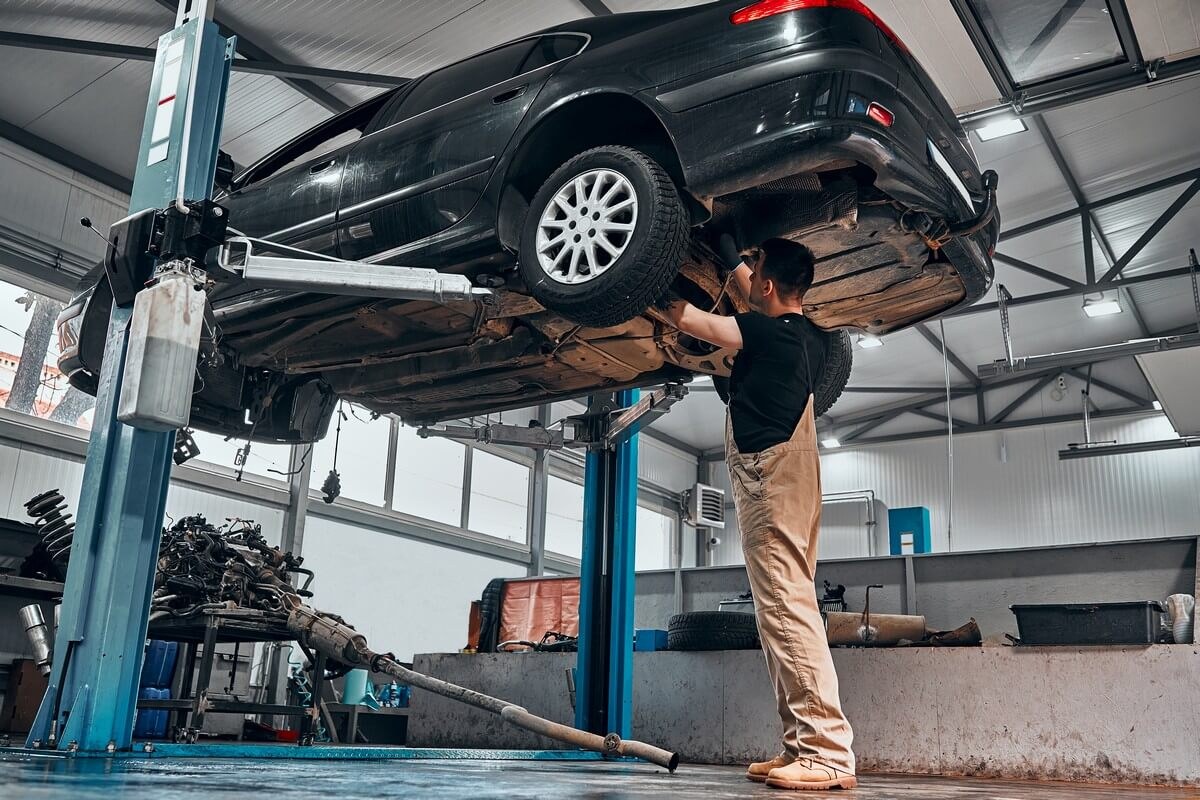
The tow, by contrast, is flat and finite. It also puts the car in front of someone who can pressure-test the system cold, find where the coolant went, and check whether the heat did deeper harm. At Maxxs in Lincolnton, engine repair is a listed service, and an honest overheating diagnosis always starts with finding the cause, not just refilling the reservoir.
After it cools: what to tell the shop
Details help. Note when the gauge moved: at idle, in traffic, climbing a hill, or at highway speed. Overheating only at idle points toward airflow, often a fan. Overheating under load points more toward circulation, such as a thermostat, pump, or restriction. Mention whether the heater blew cold while the gauge ran hot, whether you saw steam, and whether the reservoir was empty or full.
Do not top off and forget it if the cause is unknown. Coolant went somewhere. Sealed systems do not consume coolant the way engines consume a small amount of oil. A low reservoir with no puddle under the car can mean an internal leak, which is exactly why a pressure test matters before the next hot drive.
Common questions
Can I drive a short distance with the gauge high if I go slowly?
No. Damage from heat depends on temperature and time, not speed. Pull over, shut the engine off, and arrange a tow instead.
How long should I wait before opening the cap?
Wait until the engine is completely cool, often an hour or longer on a hot day. If you are not sure it is cool, treat it as hot and leave the cap alone.
My temperature gauge spiked, then dropped back. Am I fine?
Not necessarily. A spike that recovers can mean low coolant, a sticking thermostat, or a fan that starts late. Get the system checked before it happens again in traffic.
Photos in this guide are representative stock images.
← All guides from Maxxs← Back to Maxxs